Are Rainfall Shower Systems Worth It? (2026 Guide)
Rainfall shower systems look impressive in every bathroom renovation photo — the wide, overhead spray, the spa-like aesthetic, the clean ceiling-mount profile. But the question buyers ask after seeing those photos is the right one: is a rainfall shower system actually worth it once it is installed in a real home, used every morning, and maintained over five or ten years?
The honest answer is not the same for every home. Rainfall shower systems genuinely deliver on their promise for buyers whose homes have the right water pressure, whose bathrooms have the right dimensions, and whose daily shower habits align with what rainfall systems actually do well. For buyers who do not meet those conditions, a rainfall system is an expensive disappointment — and there are more of those buyers than the marketing materials suggest.
This guide gives you a completely honest assessment of rainfall shower systems — what they deliver, what they require, what they cost over time, and the specific situations where they are clearly worth the investment versus the situations where a different system serves you better.
What Is a Rainfall Shower System?
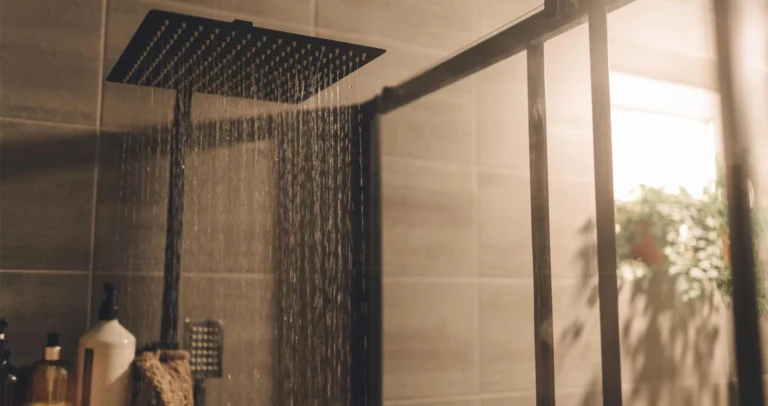
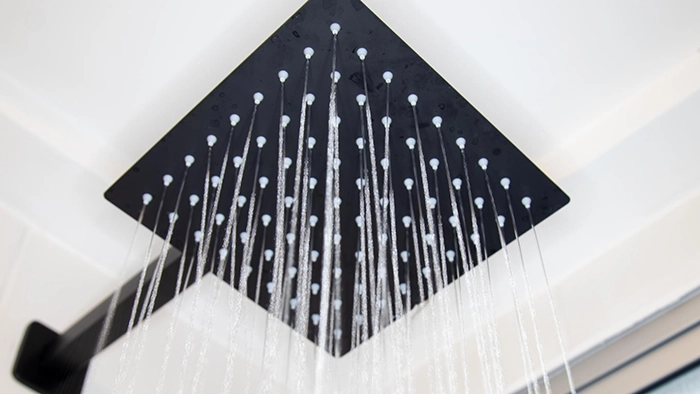
A rainfall shower system is designed to simulate the sensation of standing in warm, gentle rain. Unlike a standard directional shower head that concentrates water into a focused stream, a rainfall head distributes water across a wide surface area — typically 8–16 inches in diameter — creating an even, soft overhead coverage that envelops the body rather than targeting specific areas.
The defining characteristic is overhead delivery — either from a ceiling-mounted position directly above the user, or from a wall-mounted arm extended high enough to create a near-vertical water fall. Ceiling-mount creates the most authentic rainfall feel because water falls perfectly vertically with no horizontal spray component. Wall-arm installation creates a slight angle that approximates rainfall closely enough for most homeowners and is significantly easier and less expensive to install.
Most rainfall systems sold as complete packages include the overhead rainfall head, a pressure-balancing or thermostatic valve, and often a handheld unit on a slide bar — giving users both the rainfall experience and directional flexibility in a single system. This combination addresses one of the most common practical limitations of rainfall-only systems: the inability to rinse specific areas efficiently.
Rainfall vs Standard Shower Head — Full Comparison
| Factor | Rainfall System | Standard Shower Head | Winner |
|---|---|---|---|
| Body Coverage | Full body — wide even coverage | Targeted — concentrated stream | ✅ Rainfall |
| Spray Force | Gentle — lower force per nozzle | Strong — concentrated pressure | ✅ Standard |
| Relaxation Experience | Best — immersive, spa-like | Functional — not immersive | ✅ Rainfall |
| Rinsing Efficiency | Slower — gentle flow takes longer | Fast — focused stream rinses quickly | ✅ Standard |
| Pressure Required | 45+ PSI (50+ for large heads) | 25+ PSI works well | ✅ Standard |
| Installation Cost | $150–$800+ including labor | $30–$200 DIY-accessible | ✅ Standard |
| Water Usage | 2.0–2.5 GPM + longer showers | 1.5–2.0 GPM shorter showers | ✅ Standard |
| Bathroom Value Added | High — premium renovation signal | Neutral — expected feature | ✅ Rainfall |
What Rainfall Shower Systems Genuinely Deliver
Full-Body Coverage That Standard Heads Cannot Match
The most honest thing to say about rainfall shower systems is that the coverage experience is genuinely different from any standard shower head, and for buyers who value that difference, it is real and consistent. A 10–12 inch rainfall head at adequate water pressure delivers simultaneous shoulder-to-shoulder coverage that a standard directional head can only replicate by angling and repositioning. For users who use the shower primarily for relaxation rather than quick rinsing, this coverage transforms the daily shower experience in a way that other fixture upgrades — better tiles, better lighting, better fixtures — cannot replicate.
Design Impact on Bathroom Value
Rainfall shower systems are one of the most visually impactful bathroom upgrades available. In home valuations and real estate photography, a ceiling-mount rainfall system signals a premium bathroom renovation more clearly than almost any other individual fixture. Buyers in the $400,000+ home market increasingly expect rainfall shower systems in master bathrooms, and their absence can actually work against a listing in competitive markets. For homeowners planning to sell within 5–10 years, a quality rainfall system in the master bathroom has a measurable return beyond daily enjoyment.
Relaxation Experience
The physiological effect of wide, gentle overhead water coverage genuinely differs from a directional spray — the distributed pressure across a wider body surface area is perceived as more relaxing and less stimulating than a concentrated stream. This is not marketing language — it reflects the same sensory principle that makes standing in natural rain feel different from being sprayed with a hose. For users who use the shower as a daily decompression ritual rather than purely a hygiene routine, this difference in perceived experience is consistent and meaningful.
What Rainfall Shower Systems Do Not Deliver Well
Spray Force — The Most Common Disappointment
The most frequent complaint from rainfall shower system buyers is that the spray feels weaker than expected — and this is almost always a physics problem, not a product defect. A rainfall head distributes available water pressure across a surface area 3–5 times larger than a standard shower head. The same volume of water spread over 10 inches instead of 3 inches produces proportionally less force per nozzle. At adequate pressure (50+ PSI), this creates a gentle full-coverage feel that is the intended experience. At lower pressure (below 40 PSI), this same distribution effect produces a thin, weak spray that is neither relaxing nor practical.
Buyers who switch from a standard shower head expecting more pressure from a rainfall system are making a fundamental expectation mismatch. Rainfall systems deliver more coverage and less force — not both simultaneously at the same pressure level.
Water Usage Increases Significantly in Practice
The GPM (gallons per minute) flow rate of a rainfall shower head is similar to a standard head — typically 2.0–2.5 GPM. But actual water usage per shower increases substantially with rainfall systems for one consistent reason: users shower longer. The immersive, relaxing experience of a rainfall system extends average shower duration by 3–7 minutes compared to the same user’s standard shower head behavior. At 2.5 GPM, 5 extra minutes adds 12.5 gallons per shower — or roughly 4,500 gallons per year for a daily shower. At average US residential water rates, this represents approximately $15–$40 additional cost per year — modest individually but worth factoring into the true total cost of ownership.
Rinsing Is Less Efficient
The gentle, wide coverage of a rainfall system that makes it relaxing is the same property that makes it less effective for targeted rinsing — of hair with thick conditioner, of shaving gel from the face, of body wash from specific areas. Most users with rainfall systems address this by adding a handheld unit to the installation — either included in the original system package or added separately. If a handheld unit is not included in the rainfall system you are considering, factor in the additional cost because most users find they need one.
Water Pressure — The Make-or-Break Factor
No factor determines whether a rainfall shower system is worth it for your specific home more directly than water pressure. The relationship is simple and unforgiving: inadequate pressure makes any rainfall system disappointing regardless of brand or price.
Rainfall Works Well At:
- 50–80 PSI — Excellent for any head size
- 45–50 PSI — Good for 8–10 inch heads
- 40–45 PSI — Acceptable for 8 inch heads only
Rainfall Underperforms At:
- Below 40 PSI — Thin, weak spray. Not worth it.
- 30–40 PSI — Frustrating for any head larger than 8 inch
- Below 30 PSI — Do not install a rainfall system
Test your home water pressure before purchasing. A gauge from any hardware store costs under $15 and attaches to an outdoor hose bib. Run the test with the shower and one other fixture active simultaneously to get your realistic in-use pressure reading. If you are below 45 PSI, see our best shower systems for low water pressure guide for alternatives specifically engineered for your pressure range.
Real Installation Costs — What to Budget
The sticker price of a rainfall shower system is only part of the total investment. Installation costs vary significantly by configuration type and are one of the most underestimated expenses in bathroom renovations.
| Installation Type | Fixture Cost | Install Cost | Total Budget |
|---|---|---|---|
| Wall-arm replacement (DIY) | $80–$500 | $0–$100 | $80–$600 |
| Wall-arm with valve replacement | $200–$800 | $150–$350 | $350–$1,150 |
| Ceiling-mount (new rough-in) | $300–$1,500 | $400–$900 | $700–$2,400 |
| Multi-outlet with thermostatic | $600–$3,000 | $500–$1,500 | $1,100–$4,500 |
The most budget-friendly rainfall upgrade is a wall-arm replacement on an existing shower — connecting a new rainfall head and extended wall arm to the existing supply fitting. If your current shower valve is in good condition, this upgrade costs $80–$500 in fixtures and is DIY-accessible in 60–90 minutes. For specific product recommendations at this price point, see our best rainfall systems under $500 guide.
When a Rainfall Shower System Is Worth It
✅ Your home water pressure is consistently above 45 PSI
✅ You use the shower for relaxation and decompression — not just quick rinsing
✅ You are renovating or upgrading a primary bathroom you use daily
✅ Bathroom design matters to you and you want a premium aesthetic
✅ Your budget covers the total installation cost — not just the fixture price
✅ You are planning to sell your home within 5–10 years and want a high-impact upgrade
✅ You have or will include a handheld unit for practical rinsing alongside the rainfall head
When a Rainfall Shower System Is Not Worth It
❌ Your home pressure is below 40 PSI — the system will disappoint regardless of brand or price
❌ You primarily take quick 5-minute showers — rainfall is not efficient for fast rinsing
❌ Your budget is below $150 total — the cheapest rainfall systems at this price underperform significantly
❌ You need strong spray force for hair rinsing or muscle relief — rainfall spray is gentle by design
❌ You are installing in a small bathroom where the rainfall experience is diminished by limited space
❌ You cannot access the ceiling or wall for proper installation — do not attempt a ceiling-mount if wall access is not available
Common Mistakes When Buying a Rainfall Shower System
- Buying without testing water pressure. The most expensive rainfall system performs poorly at 30 PSI. The most affordable performs well at 60 PSI. Pressure determines performance outcome more than brand or price. Test first, buy second.
- Choosing a head that is too large for available pressure. A 16-inch rainfall head at 40 PSI is consistently disappointing. A 10-inch head at the same pressure is often satisfying. Head size and available pressure must match — bigger is not better if pressure is limited.
- Underestimating installation cost. Buyers who budget for the fixture price but not installation labor are consistently surprised. Always get a plumber quote for installation before finalizing the system choice, especially for any ceiling-mount or valve-replacement scenario.
- Not including a handheld unit. Rainfall systems without a handheld unit frustrate most users within the first month — the gentle overhead spray is excellent for full-body coverage but inefficient for targeted rinsing. Always budget for a combination system or verify the package includes a handheld before purchasing.
- Choosing ceiling-mount for cost reasons alone. Ceiling-mount creates the best experience but costs $400–$900 more in installation labor than wall-arm. If budget is a constraint, a high wall-arm installation delivers 80–90% of the rainfall experience at a fraction of the ceiling-mount cost.
Frequently Asked Questions — Rainfall Shower Systems
Are rainfall shower systems good for daily use?
Rainfall shower systems work well for daily use for most users — but they suit some usage patterns better than others. If your daily shower is 10–15 minutes and you value the full-body coverage and relaxing feel, a rainfall system enhances the daily routine meaningfully. If your daily shower is a quick 5-minute rinse focused on efficiency, a rainfall system adds time without proportional benefit. Most users who install rainfall systems find that their shower duration increases — which is either a benefit or a drawback depending on your daily schedule.
Do rainfall shower systems use significantly more water?
The flow rate of a rainfall head (2.0–2.5 GPM) is comparable to a standard shower head. The practical increase in water usage comes from extended shower duration — most users shower 3–7 minutes longer with a rainfall system due to the more immersive experience. At 2.5 GPM, five extra minutes per shower adds 12.5 gallons daily — approximately 4,500 gallons annually. This translates to $15–$40 in additional water costs per year at average US residential rates, which is modest but worth factoring into your decision if water cost or conservation is a priority.
What water pressure do I need for a rainfall shower system?
A minimum of 45 PSI is recommended for any rainfall shower system to perform satisfactorily. Larger heads (12 inches and above) work best at 50+ PSI for full, even coverage across the entire head surface. Below 40 PSI, the gentle rainfall experience becomes a thin, weak drizzle that most users find frustrating rather than relaxing. Test your home pressure with a gauge before purchasing — if you are below 40 PSI, read our low water pressure guide for systems specifically designed for your conditions.
Are ceiling-mounted rainfall systems better than wall-arm?
Ceiling-mount creates the most authentic rainfall experience — water falls perfectly vertically with no horizontal component, which most closely simulates natural rain. Wall-arm creates a slight angle that most users find barely noticeable but purists perceive as different from true overhead coverage. The practical trade-off is installation cost: ceiling-mount requires routing supply lines through the ceiling, adding $400–$900 in plumbing labor beyond a wall-arm replacement. For most homeowners, a high wall-arm installation with a 10–12 inch head delivers 85–90% of the ceiling-mount experience at a fraction of the cost.
How often do rainfall shower heads need cleaning?
Rainfall shower heads need nozzle cleaning every 1–3 months in hard water areas to prevent mineral deposit buildup that blocks individual jets and reduces spray coverage. Most modern rainfall heads use flexible silicone nozzles that clean with a simple wipe or finger-rub — this is a significant maintenance advantage over fixed plastic nozzle designs. Monthly soaking in a vinegar and water solution maintains consistent spray pattern and prevents the partial blockages that create uneven coverage over time. The larger surface area of rainfall heads (more nozzles) means cleaning takes slightly longer than a standard head, typically 5–10 minutes monthly.
Bottom Line — Are Rainfall Shower Systems Worth It?
Rainfall shower systems are worth the investment for the right buyer in the right home. The experience they deliver — full-body coverage, spa-like immersion, premium aesthetic — is genuine and consistent for users whose homes have adequate water pressure and whose shower habits align with what rainfall systems do well.
They are not worth it for homes with pressure below 40 PSI, for buyers who shower primarily for quick rinsing efficiency, or for any installation where the total cost — fixture plus labor — strains the renovation budget to the point where corners need to be cut on system quality. A well-chosen standard dual shower system at $150 in a home with 35 PSI delivers a better daily shower than a $600 rainfall system at the same pressure.
If your home has 45+ PSI, your budget covers the realistic total installation cost, and you shower for 10 minutes or more daily — a quality rainfall system from a trusted brand is one of the most satisfying bathroom upgrades available. Start with our best rainfall systems under $500 guide for specific product recommendations, or see our Kohler vs Moen comparison if your budget extends into the premium tier. For a complete framework on which shower system type fits your bathroom best, our how to choose a shower system guide walks through every decision factor in sequence.